Key takeaways
- The number of supports is usually the biggest driver.
- Pier type and how deep they go change the price per support.
- Interior piers, tight crawl spaces and landscaping add labor.
- Drainage, plumbing tests, engineering and permits can be separate line items.
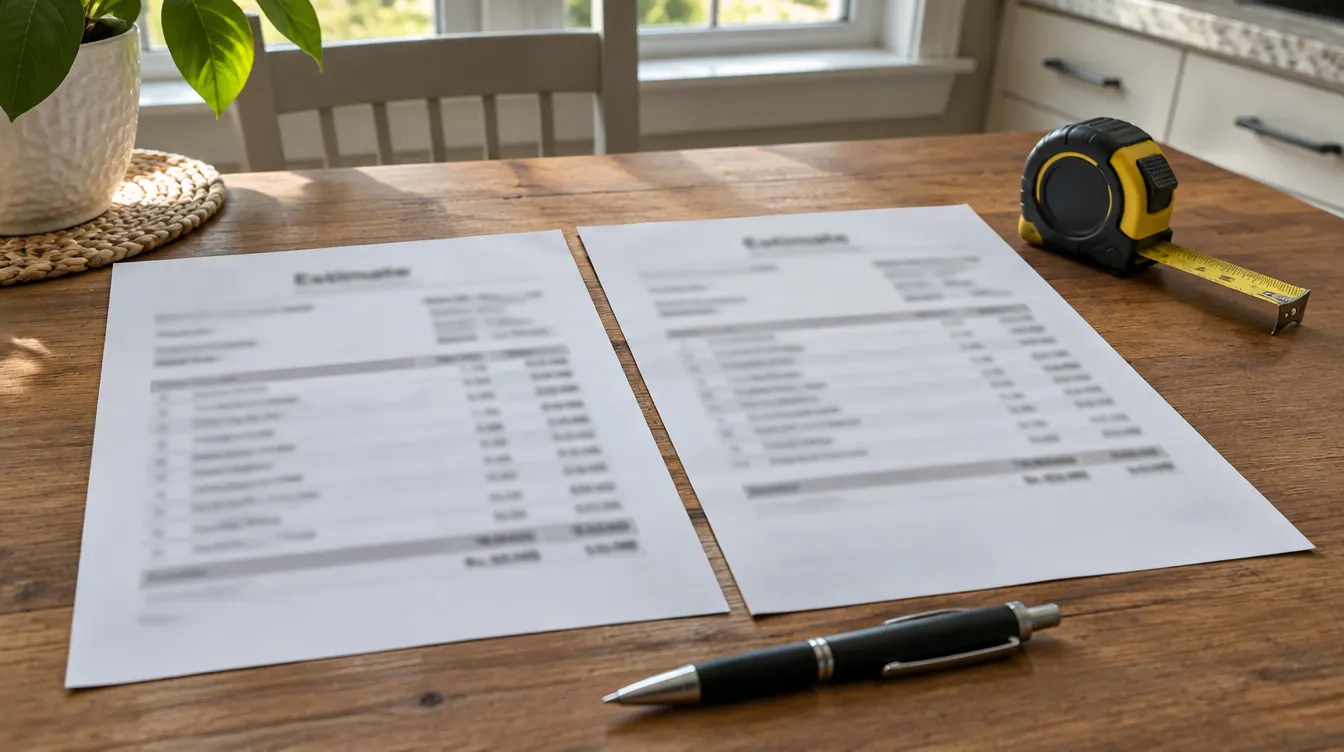
- Compare quotes line by line, not by the total.
You won’t find a dollar figure in this article. A price for foundation work in Amarillo depends on things nobody can see without crawling around your house with a level, and any figure we printed here would be wrong for most readers. What we can do is show you what goes into the price, so a quote makes sense when you get one.
How many supports
On a slab job, this drives the total more than anything. A house with one settled corner might need a handful of piers along two walls. A house where the whole back half dropped needs many more, spaced along the perimeter and sometimes inside.
The count comes from the elevation survey. Ask the company to show you on a drawing where each support goes and why it’s there. If two quotes are far apart, the support count is the first thing to compare.
What kind, and how deep
Steel push piers, helical piers and pressed concrete piers each cost different amounts to buy and install. Steel piers driven deep take more material and time than short concrete sections. Neither is automatically the right answer. What matters is whether the company can explain why its choice fits your soil.
Depth matters too. Some quotes price piers to a fixed depth and charge extra beyond it. Others price per pier regardless of depth. Find out which kind of quote you’re looking at.
Getting to the work
- Interior piers mean cutting through flooring and the slab, then patching it.
- Decks, patios, porches, mature shrubs and AC units along the wall slow down digging.
- A low, cramped crawl space makes pier and beam work slower.
- Driveways or sidewalks in the way may need to be cut and replaced.
Slab or raised
Pier and beam repair varies widely. Swapping dried-out wood shims for steel can be a modest job. Replacing a run of rotted sill plate or a sagging beam is carpentry on top of foundation work.
Things that may or may not be in the quote
This is where quotes differ the most:
| Item | Ask |
|---|---|
| Plumbing test | Before and after lifting? Who does it? |
| Engineer’s report | Required? Included or separate? |
| Permits | Does the company pull them? |
| Drainage work | Gutters, regrading, French drain included? |
| Cosmetic repair | Brick, drywall, tile patching included? |
| Warranty | How long, what it covers, does it transfer? |
A plumbing test catches a pipe that broke during lifting, and drainage work keeps the repair from being undone by the next wet spring. But one quote that includes them and one that doesn’t aren’t comparable until you line them up.
Comparing two or three quotes
Put them side by side and go down the list: number of supports, type, target depth, locations, then each line in the table above. A lower total sometimes means fewer piers, and sometimes means the extras just aren’t listed yet.
If you want real numbers for your house, request a free quote and a local company will come out to measure. If you’re still deciding whether you need work at all, start with the signs your foundation is moving.
Frequently asked questions
Why won't foundation companies give a price over the phone?
Because the price depends on how many supports the house needs and where, which nobody knows until they've taken elevation readings. A phone number would be a guess.
Is the cheapest quote a bad sign?
Not by itself. Check whether it has fewer supports, a different pier type, shallower depth or leaves out items others include. Then decide.
Does a warranty change the price?
It can. Some companies build a longer or transferable warranty into the price. Read the terms and compare them alongside the totals.
Is pier and beam repair cheaper than slab repair?
Sometimes, when it's mostly reshimming. Replacing rotted beams or adding many new piers can cost as much as a slab job. It depends on what the inspection finds.
Will insurance pay for foundation repair?
Homeowners policies often exclude settling and soil movement, but some cover damage from a sudden event like a plumbing leak. Call your insurer and ask about your specific policy.